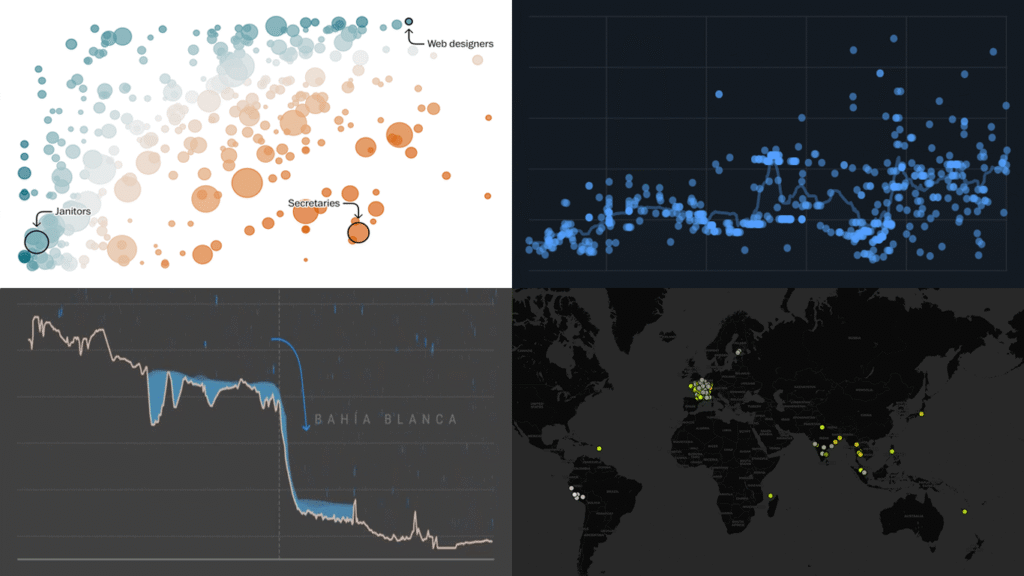
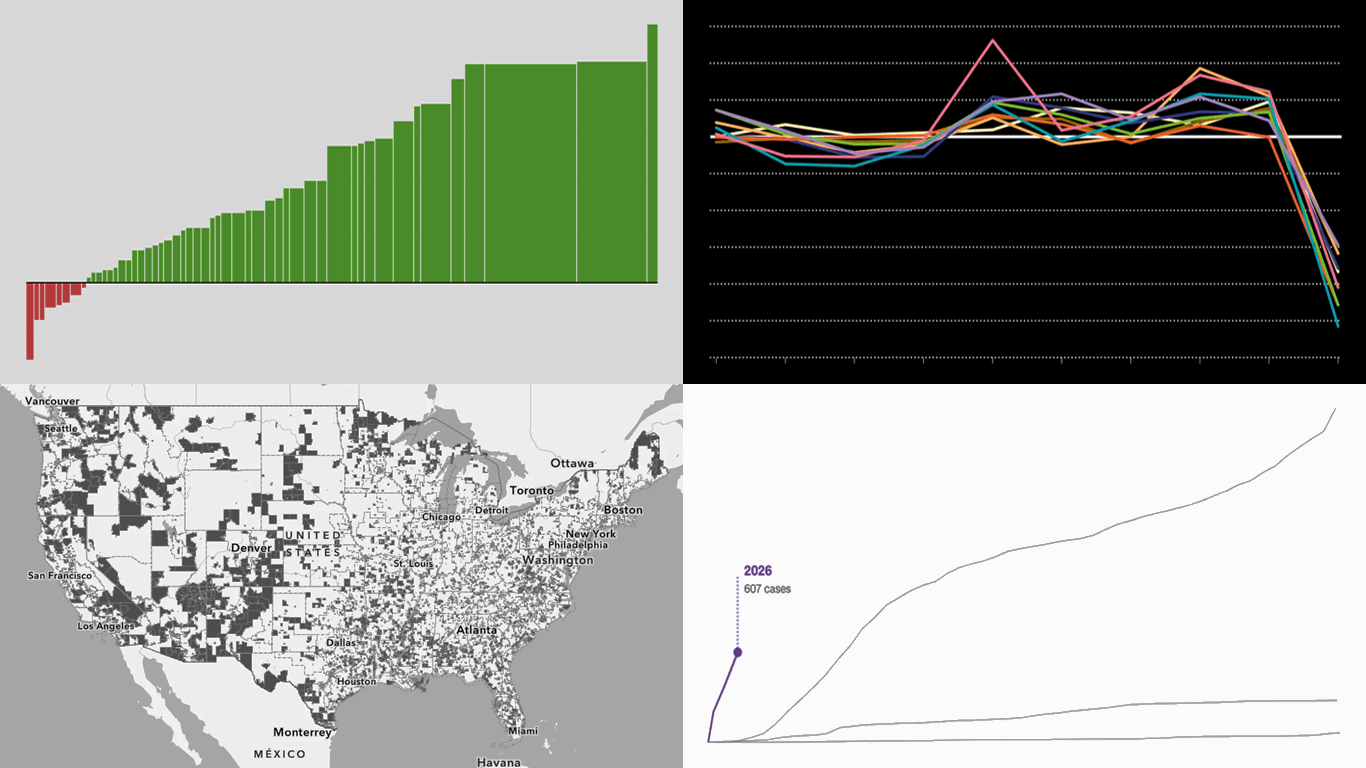
Data is everywhere, but what it means is rarely obvious on its own. DataViz Weekly is back with four projects that illustrate how good visuals help close that gap. Featured today:
25 years of egg prices — John Rush
Jobs most at risk from AI — The Washington Post
Bahía Blanca flood reconstruction — LA NACION
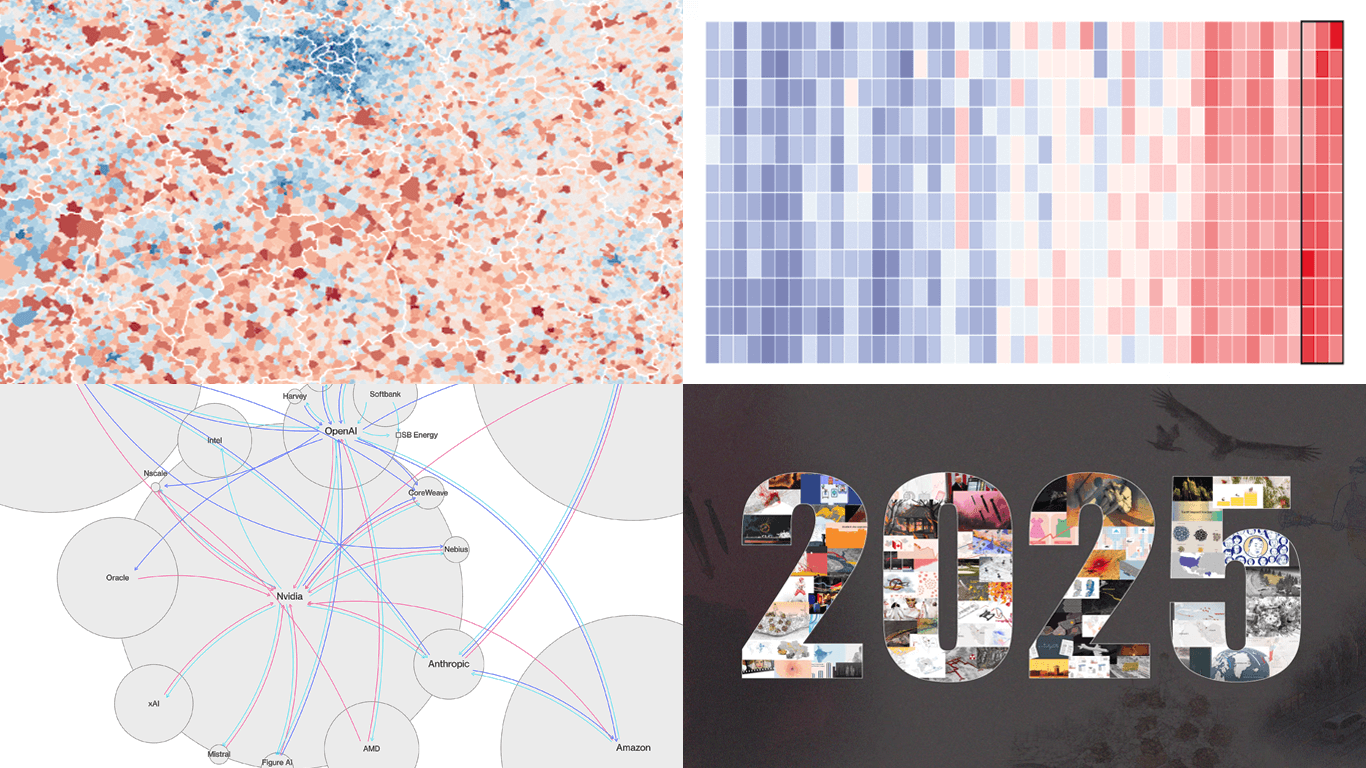
Global data center expansion — Environmental Reporting Collective
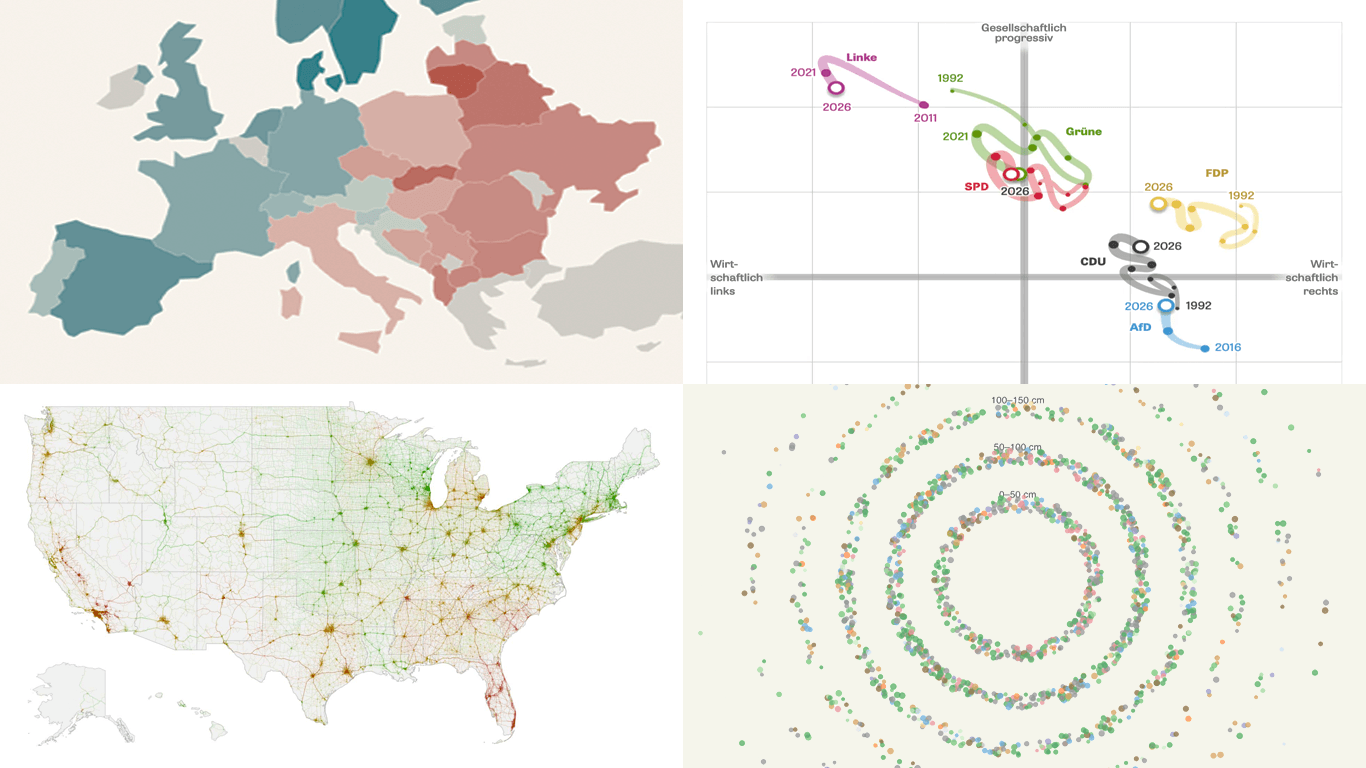
Looking for data visualization done well? You’re in the right place. In DataViz Weekly, we feature recent work that shows how charts and maps can make complex data easier to grasp. This edition’s lineup:
The web keeps producing data visualization work across all kinds of subjects and formats. We keep tracking it, and DataViz Weekly is where the most interesting projects we come across get their spotlight. See our latest picks:
Every week, someone somewhere turns a pile of data into something you actually want to look at. We round up the best examples from what we found right here in DataViz Weekly. On the list this time:
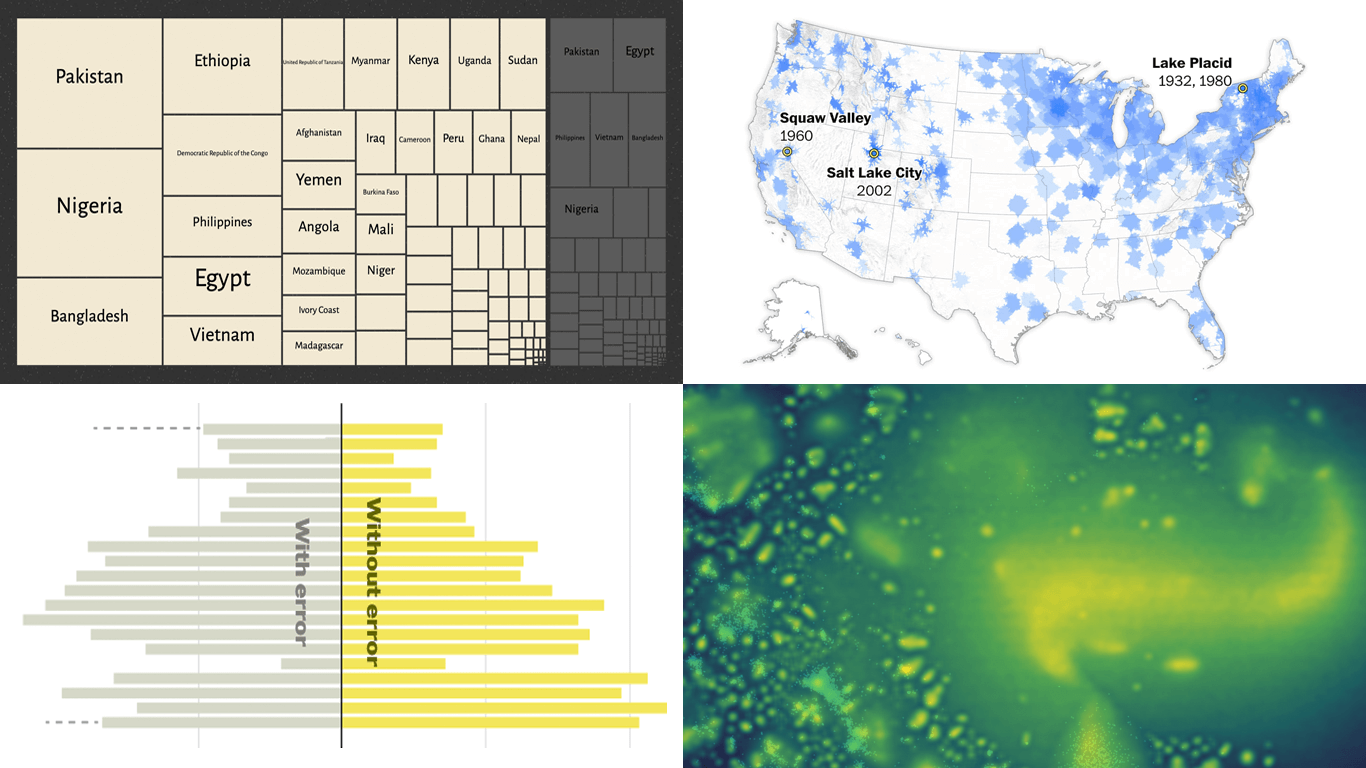
Corruption Perceptions Index 2025 — Transparency International
U.S. college degrees by field since 1970 — FlowingData
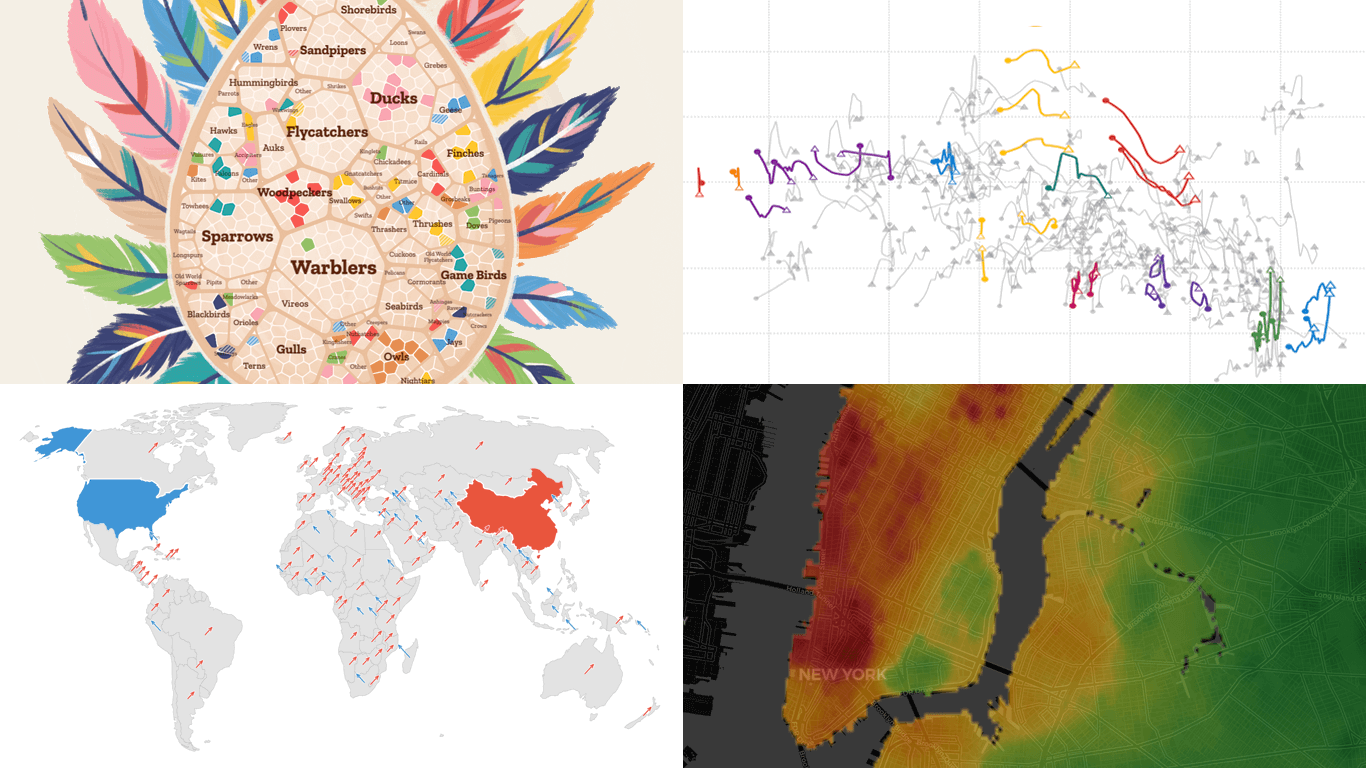
Visualization is designed to make data easier for the human brain to process, helping us compare, find structure, and see change. DataViz Weekly is here with great new examples we’ve spotted lately that demonstrate this in practice. Featured today:
Bird search trends in the United States — Visual Cinnamon
Rent prices across New York City — West Egg Development
GDP vs. air pollution in world cities — Development Data Lab
Shifts from U.S. to China through UN votes — The Guardian
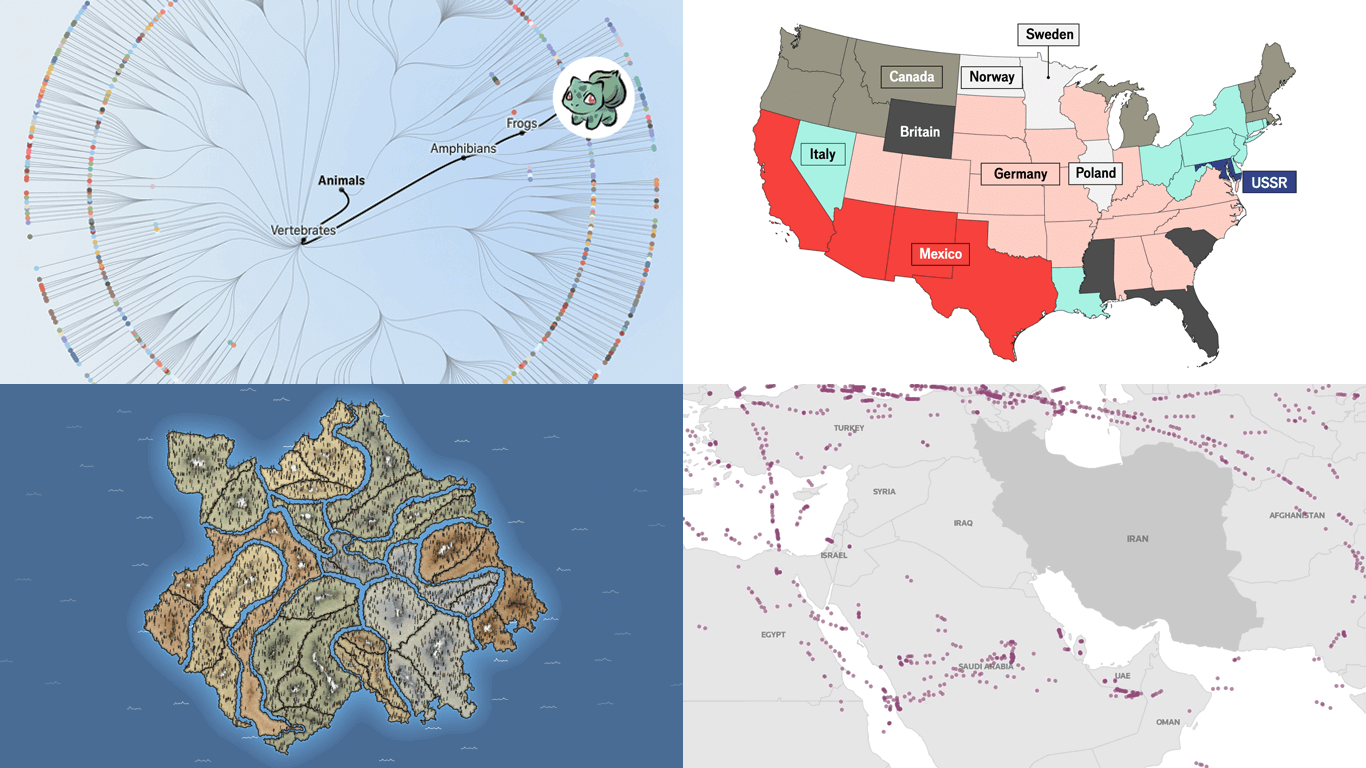
Welcome back to DataViz Weekly! This is our regular roundup of data graphics we think are worth opening and looking at closely. Here is what made the cut this week:
Bluesky following clusters — Theo Sanderson
Quadruple axel in figure skating — The New York Times
Winter sports access across the United States — The Washington Post
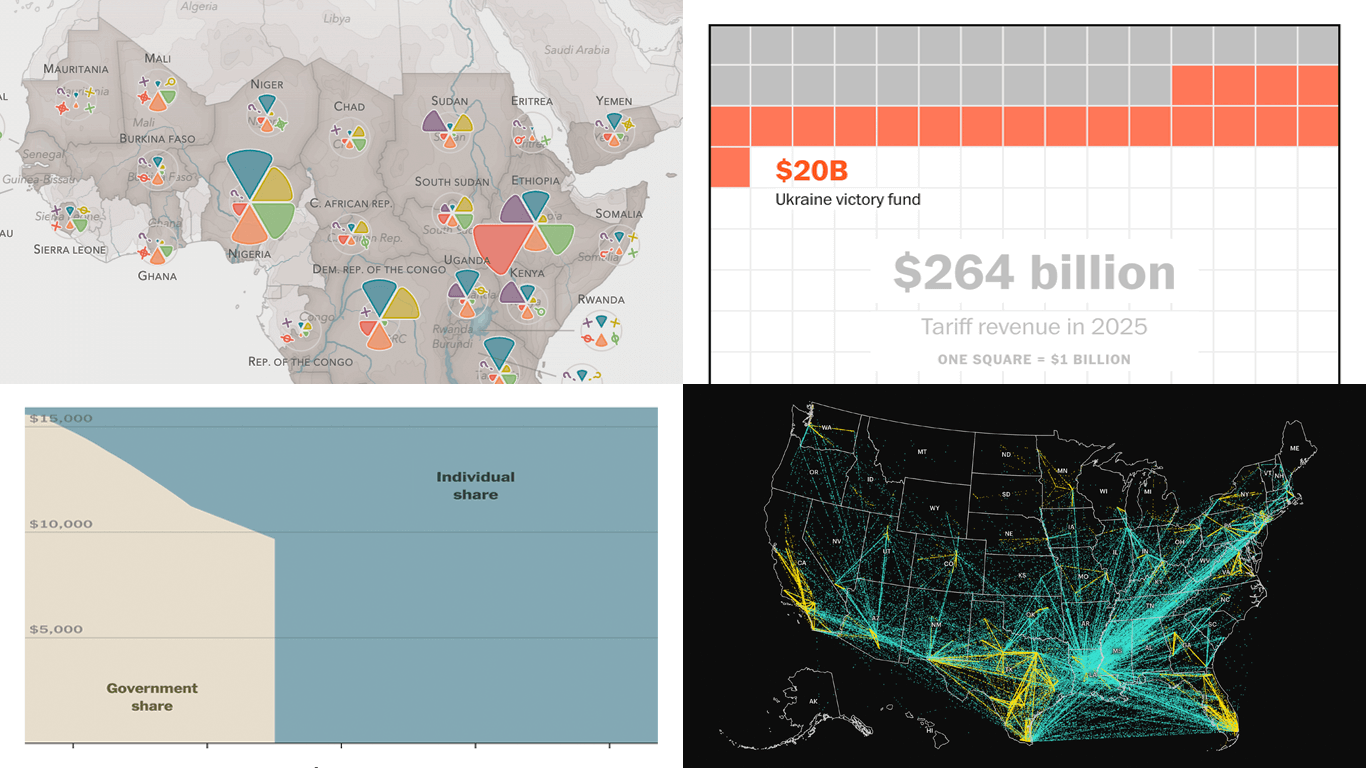
Climate vulnerability vs. social protection — SNRD AP, GIZ, and Revisual Labs
Many teams already have Excel templates that work: budgets, trackers, reporting sheets, and layouts that took time to get right. The friction starts when those templates live outside the Qlik analytics platform, which often means manual exports, multiple file versions, and results that can drift away from what dashboards show.
This tutorial shows how to import an existing Excel template into Qlik Sense using the Spreadsheets extension, so it works inside the Qlik app and stays in sync with live data and selections.
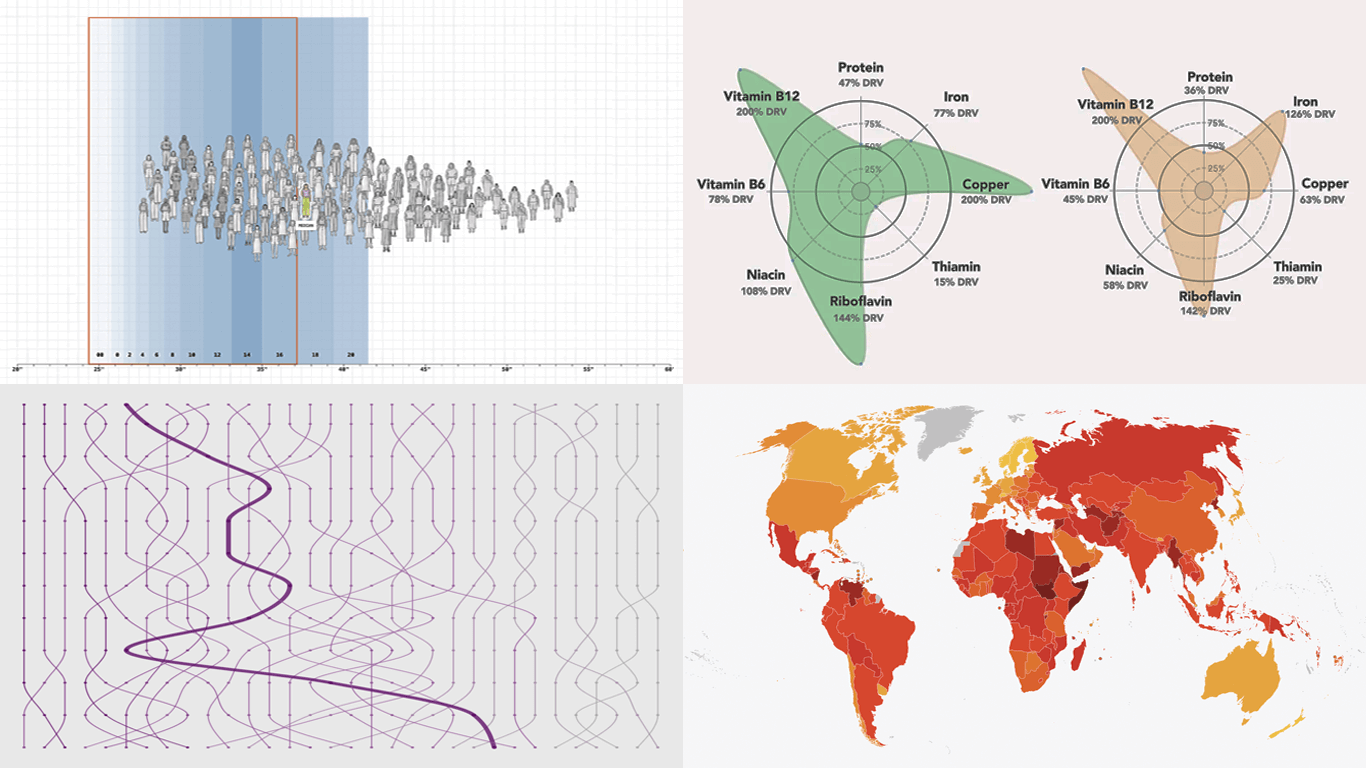
Good visual data storytelling is when charts and maps do more than support the text. They do the explaining by making patterns easier to see, putting numbers in context, and helping readers follow the key points. In this edition of DataViz Weekly, we share four new pieces that do exactly that:
Neglected tropical diseases progress — The END Fund
Health insurance subsidy cliff — The Upshot
ICE detainee transfers across the United States — The Minnesota Star Tribune
Data visuals do not have to be complicated to work. Clear structure can do a lot of the heavy lifting on its own. A few fresh examples like this are in the spotlight in this new edition of DataViz Weekly:
Visualizing data can help tell a story by making trends and patterns easier to see and letting insights land faster. Here are a few recent projects we are glad to share in DataViz Weekly this time that work as clear examples of visual storytelling in action.
2025 heat in the global warming trend — The Economist